Sarnia
The best time to prepare your home for spider season in Sarnia is the first mild weekend in April, before the lake insects start arriving at the porch light. This checklist walks the house in the order a technician would, so you can do the easy parts yourself and know exactly what is left for a Spider Pros visit.

Spider activity in Sarnia follows the insect hatches off Lake Huron and the St. Clair River. The first warm nights in late April bring the first midges inland, and the small spiders that overwintered in your soffits are waiting for them. By the time webs are obvious in June, the egg sacs from last fall have already hatched and the corners are stocked.
An hour in April reduces the whole season. Use this as a routine you repeat each spring, not a one time project.
Pick a dry afternoon and walk the full outside of the house from the ground. Take your phone and photograph anything you want to remember. You are looking for four things.
Repair the screens and seal the gaps with weather strip or exterior caulk. Do not block vents or weep holes; the house needs to breathe. Take down the old webs you can reach from the ground with a soft brush. Do not go up a ladder on wet spring grass or wave a long pole anywhere near the service wire coming into the house. The high corners can wait for the pole from the truck.
Lighting is the single biggest lever a homeowner has. Put the front and garage lights on motion sensors, or just switch them off at bedtime. Swap bright white bulbs for warmer coloured ones; they draw fewer insects. A dark wall at midnight is a wall with far fewer spiders by July.
Then trim. Cut shrubs and branches back so nothing touches the siding, the soffits or the porch roof. Spiders use branches as bridges and the foliage as a staging area. A hand's width of clear air between the garden and the house makes a real difference.
Clear the clutter along the foundation while you are there: stacked pots, leftover lumber, the rolled up tarp. Sheltered piles against the wall are where the ground spiders spend the day.
If you have booked a visit, a few minutes of preparation lets the technician reach everything and keeps the written summary accurate. The vacuum and the pole need clear access to every wall of the house.
Pull patio cushions, barbecue covers, planters and anything else away from the walls and out from under the soffits so they are not in the way and nothing gets vacuumed that should not be. Leave the side gate open or unlocked so the technician can get around the back without ringing the bell. Keep the dog inside for the visit and until any treated area is dry; the summary you receive will give the time. If there is a wasp or hornet nest you have noticed, mention it when booking, since that is a separate service from $199.
The visit itself starts with removal. A backpack HEPA vacuum takes webs, spiders and egg sacs off everything within reach: porch ceilings, lights, window and door frames, garage door frames, first floor soffits and the foundation line. High eaves and peaks are swept down with a cobweb brush on a telescoping pole. Only where a corner has heavy, repeating activity does the technician apply a targeted treatment, with a product registered in Canada, on the sites the label allows, at the lowest label rate that works, wearing what the label requires. You can read the whole method on our spider control page.
Before a barbecue or a weekend with visitors, check the porch ceiling, the door frames, the windows beside the front step and the patio door. Brush down what you can reach. If the same corner fills again every week, note it rather than reaching for a can of spray from the hardware store; that corner is where a targeted treatment may be justified, and spraying the whole house will not fix it.
A Season Plan spaces three visits across May, July and September so the removal keeps ahead of the hatches instead of chasing them. It starts from $499 before HST for a standard home up to about 2,000 square feet, with larger homes about 30 percent more, confirmed before work starts. If webs come back on the areas we treated in the 60 days after a visit, we treat them again the next day we are in your area at no charge; see the guarantee.
By late August the orb weavers have matured and their large wheel webs appear across porch corners and between railings. They look alarming and they are not dangerous, but they are what sends most people to the phone. Keep the entrances clear and shake out the outdoor cushions before you sit down. Removal in September also takes the egg sacs that would otherwise hatch next spring, which is the quiet reason that visit matters.
Between visits, once a month, walk the house from the ground: front entrance, window corners, porch light, patio door and the deck railing. Look for fresh silk, torn screens and lights left on. Photograph anything high rather than climbing to it. That small habit is most of what it takes to keep ahead of the season in Sarnia and Bright's Grove. Route details for your street are on the Sarnia page, or call 519 331 4210.
Good to know
No. Spraying before there is activity means product on the walls for nothing, and routine blanket spraying puts far more product on the house and around the garden than the job needs. Remove what is there, fix the lights and the screens, and treat only the corners that keep refilling.
Sealing helps keep spiders out of the house. It does nothing for webs on the porch ceiling, because those spiders are hunting the light and have no interest in coming in.
It depends on your lights, your corners and how much you mind. Three visits in May, July and September keep ahead of a typical Sarnia house. A dark house with motion sensors might manage with one; a brightly lit corner lot may want more.
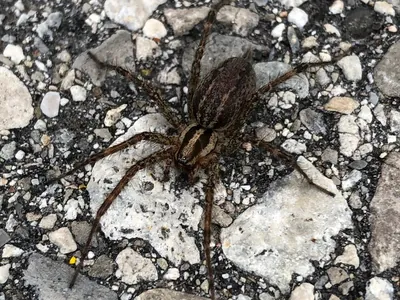
Not sure what spider you have?See our guide to common spiders in Ontario, including the grass spider and the common house spider.

